What Happens on the Day? A Step-by-Step Look at Our Wedding Pizza Setup
When you’re planning your wedding, you’ve got a thousand things to think about. The dress, the flowers, the ceremony itself—but somewhere in that mental load is a big question: what actually happens with the food on the day?
We get asked this all the time at The Welsh Italian Pizza Co. Couples worry (and rightfully so) that something will go wrong with catering. They imagine us rolling up late, or the oven not heating properly, or running out of pizza halfway through the party. Spoiler alert: none of that happens. We’ve been running mobile wood-fired pizza catering for weddings across South Wales since 2015, and we’ve learned exactly how to make the day run like clockwork.
So today, we’re pulling back the curtain on exactly what a wedding catering setup looks like—from the moment our van pulls onto your venue in Pontypridd, Miskin Manor, or the Gower, right through to when we pack up and leave your guests with happy bellies and memories to last.
Planning and Menu Finalisation: Weeks Before the Day
Before we ever think about the van, we need to nail down the details with you. That’s why we start conversations early.
Typically, about a month before your wedding, we’ll sit down (or chat over the phone) to talk through menus, numbers, and logistics. How many guests are you expecting? What topping choices would you like? Are you catering for dietary requirements—gluten-free, vegan, vegetarian? What’s your timeline? Some couples want pizza to arrive as guests are settling into the reception marquee. Others want it during the evening party, later on.
This is also when we chat about your venue. Every location is different. A barn wedding in the Brecon Beacons has different access than an intimate ceremony at Llanerch Vineyard. We need to know about parking, weather protection, and available outdoor space. We require roughly 5m x 3.5m of flat, sheltered ground to set up our wood-fired oven safely—nothing too demanding, but something we need to confirm early.
About one month before the wedding, we’ll do a final headcount confirmation with you. Last-minute cancellations or additions happen, and we need accurate numbers so we’re buying the right amount of ingredients. We’ll also lock in your final menu choices if you’ve been umming and ahing over the exact toppings.
If you would like us to we will co-ordinate with the wedding/event manager of your venue. They’ll know exactly what time we’re turning up, where we’ll park, and which direction we’ll need to unload. We’ll also touch base about last-minute changes, weather concerns, or anything that’s shifted in your timeline.
The Morning Of: Loading Up and Prep
On your wedding day, our day starts long before you walk down the aisle.
Around 6 or 7 in the morning (depending on what time we’re arriving at your venue), our team is in the kitchen at our base in Tonypandy. We’re prepping all the toppings: hand-rolling dough, preparing our ingredients that’ve come from local suppliers. Every ingredient is prepped by hand. There’s no cutting corners here.
By the time the van is loaded, it’s a precise, carefully organised operation. Our wood-fired oven (which has been maintained and checked) sits in the van along with prep tables, serving boards, plates, napkins, and chilled containers of every topping you’ve ordered. We’ll have backup dough, extra cheese, additional ingredients—because the last thing you want is us running short during the rush.
Our head pizzaiolo (that’s the pizza chef, in case you’re wondering) will run through the menu one more time. They’re checking they’ve got all pizza variations, that the order of toppings is right, and that they know exactly what they’re cooking once we arrive.
Weather is also on our radar. If there’s heavy rain forecast, we’re checking that your venue has adequate covering sorted. If it’s scorching hot, we’re making sure we’ve got extra water for the team. We’ve been doing this for nearly a decade in Wales—we know how to adapt.
Arrival at the Venue: First Hour Setup
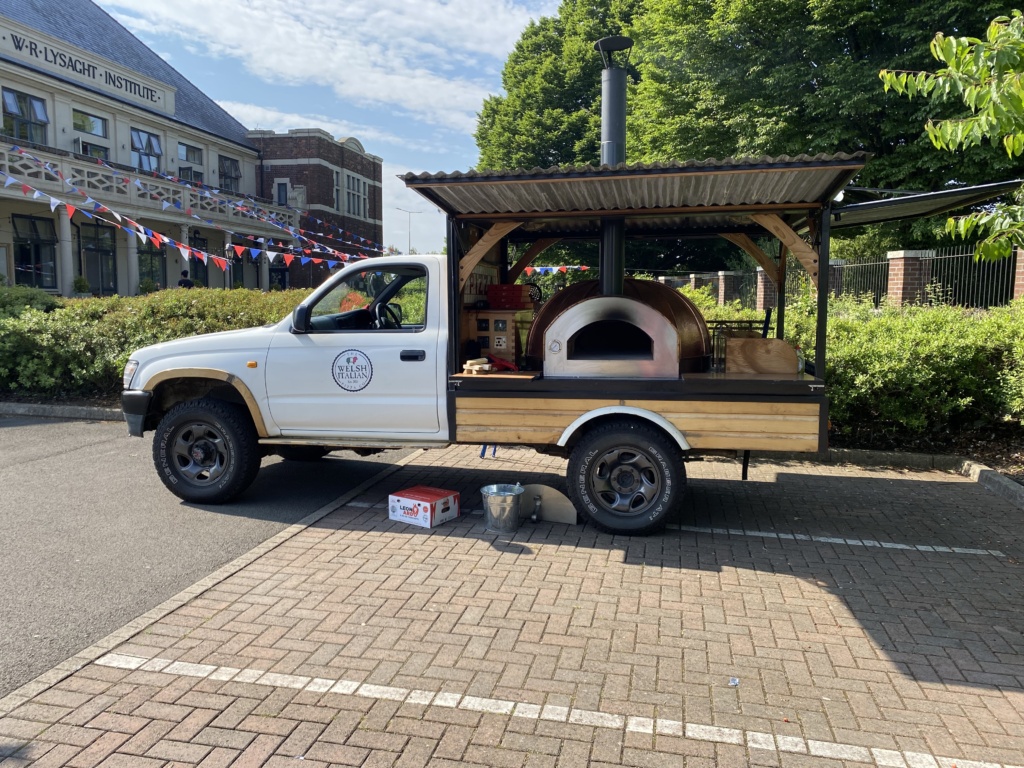
Then we’re on the road. Depending on where you’re getting married—Cowbridge, the Valleys, or somewhere out towards the Gower—we’ll typically arrive 90 minutes to 2 hours before you want guests eating.
The van pulls up, and our team springs into action. We unload the oven first (it’s the heaviest and most important bit). If it’s a marquee or barn wedding, we’ve already planned exactly where this goes. If it’s at a country house with a patio, we’ve got it mapped out. The oven needs to sit on flat, level ground, with about a metre of clear space around it for safety.
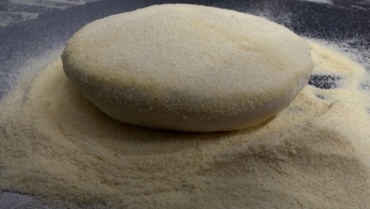
While one team member is positioning the oven, another is setting up the prep station. This is where the magic happens during service. We’ve got stainless steel tables, all our toppings laid out in the order we’ll use them, our semolina, our peels (the long wooden paddle we use to slide pizzas in and out of the oven), and our cutting board. Everything is organised by someone who’s done this hundreds of times.
Then comes the smile-and-wave moment: we’ll introduce ourselves to your coordinator or whoever’s managing the day on your end. We’ll let them know we’re here, everything’s fine, and we’ll give them a mobile number to call if they need us for anything. You’ll likely be getting ready upstairs or in another room at this point—you don’t see this bit, and that’s the point.
Our serving area also goes up around this time. We’ve got a pop-up gazebo (depending on what you’ve booked), a table where finished pizzas sit ready to be eaten, small plates, napkins, and if you’ve added extras like garlic bread or a salad, that’s prepped and standing by.
The whole setup takes about 90 minutes if conditions are good. By the time your guests arrive, they see a fully professional catering station, not a team still scrambling.
Firing Up the Oven: 90 Minutes to Service
About 60 minutes before you want us to start serving, we light the oven.
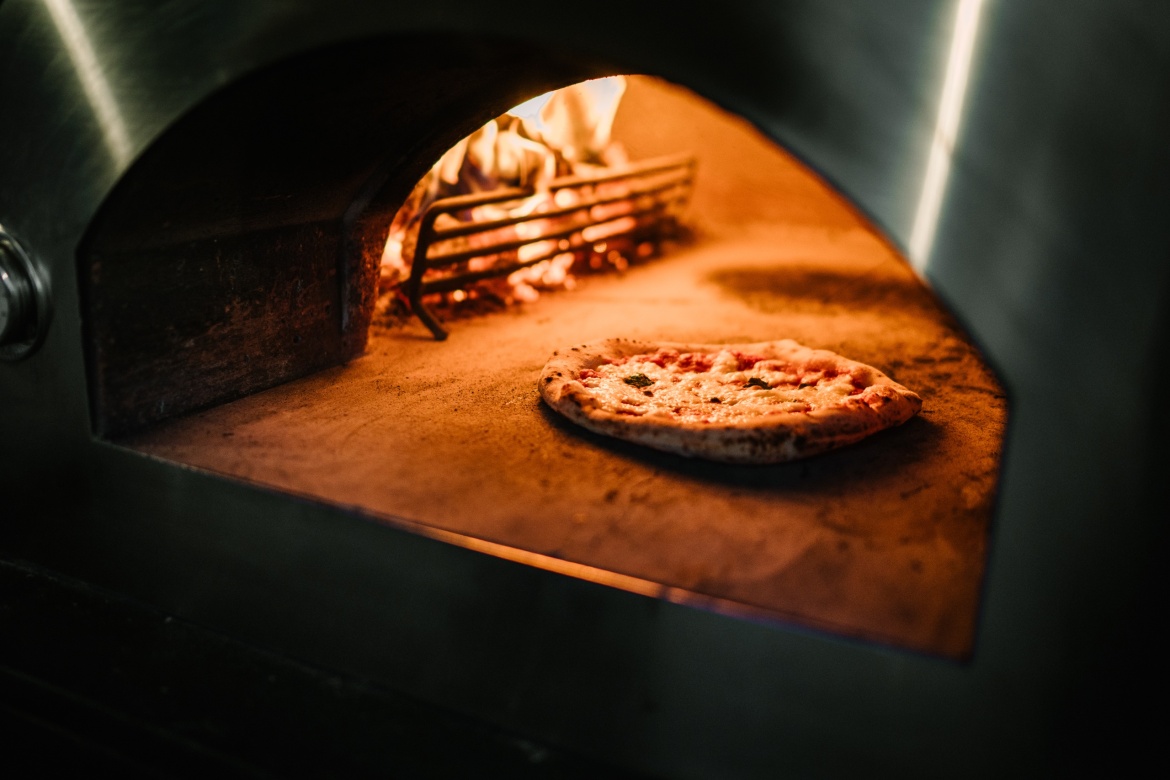
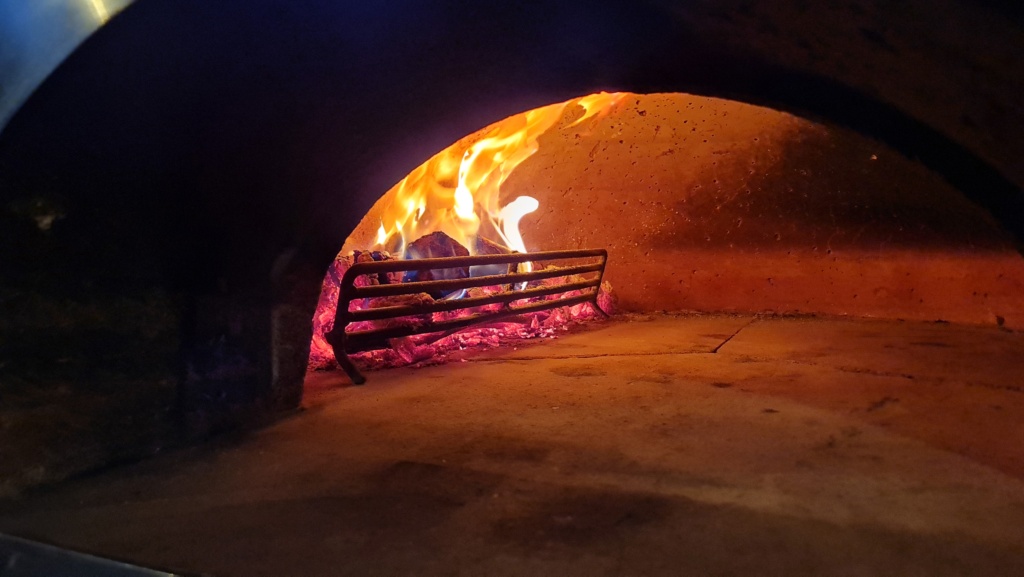
This isn’t just striking a match and hoping for the best. Our wood-fired oven needs to reach roughly 350–400°C for perfect Neapolitan pizza—that thin, soft crust with just a little char on the base. Starting the fire is a skill; lighting it too hot and it’ll burn the dough before the toppings are cooked. Too cool and you’ll end up with a heavy, doughy pizza.
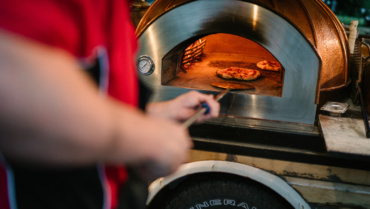
Our head pizzaiolo is watching the oven like a hawk. They’re feeding small amounts of wood, letting the temperature climb gradually. They’re checking the dome (the top inside of the oven) with a thermometer, gauging the colour and heat distribution. Once it reaches the right temperature, they’ll keep it ticking over—just warm enough that when the first pizza goes in, it’ll cook in about 90 seconds.
This is where you really see the Neapolitan technique shine. We’re not using a commercial gas oven. We’re not turning out sad, thick-based pizzas that’ve been sitting under a heat lamp. Every single pizza that comes out of our oven is fresh, bubbly, with that perfect charred edge and slightly smoky flavour you just can’t fake.
While the oven’s heating up, we’ll do a final check of everything: Any last-minute dietary changes? Drinks station sorted? Music volume okay? We want to make sure your day is running smoothly, because if your timeline’s thrown off by two hours, our prep schedule shifts with it.
Service Begins: Building the Rhythm
Your guests are seated. Maybe you’ve just finished cutting the cake, or you’re coming into the dancing portion of the evening. Either way, it’s time for pizza
Our pizzaiolo starts with the first round. They’re hand-stretching the dough—a skill that takes years to perfect—and placing it on the peel. Then the toppings go on in a specific order ( sauce base, cheese to protect the dough, toppings on top). Into the oven it goes.
Here’s what guests often don’t realise: that wood-fired oven is genuinely hot. At 350–400°C, the pizza cooks in about 90 seconds. The pizzaiolo is constantly rotating the pizza inside the oven (using the peel) to make sure it’s cooking evenly. They’ve got timing down to a fine art. Too early and it’s not cooked. Too late and it’s overdone.
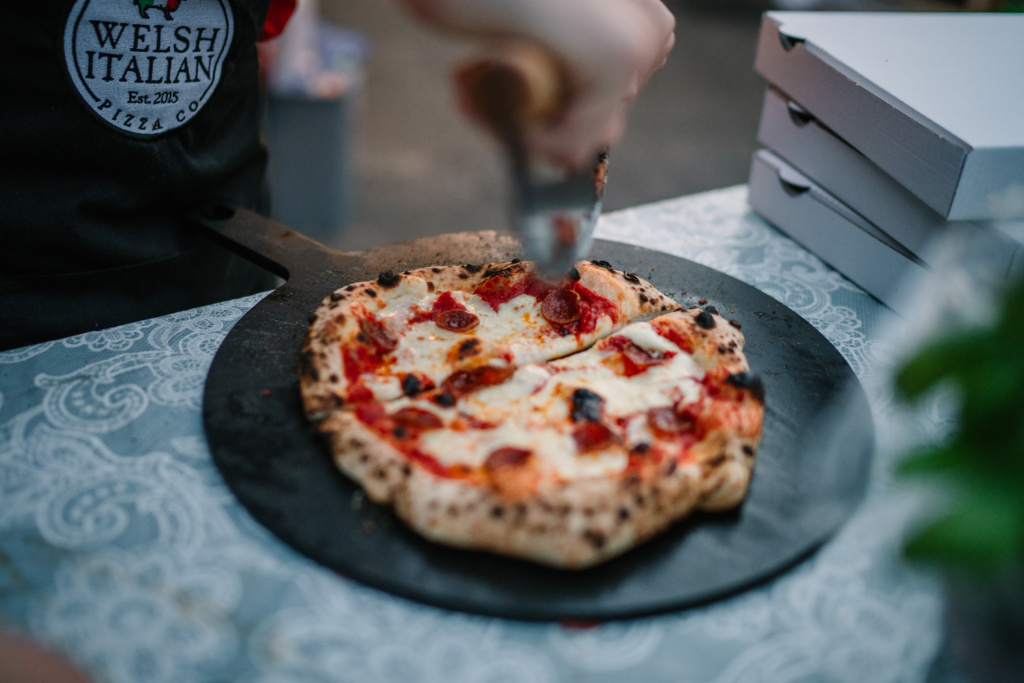
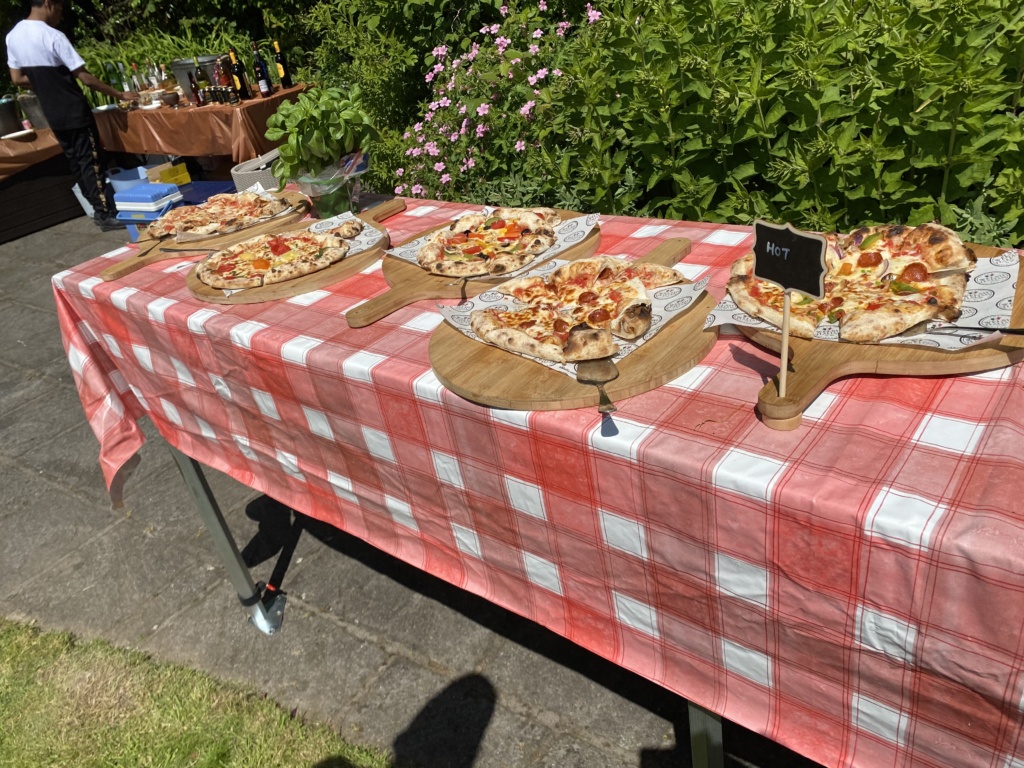
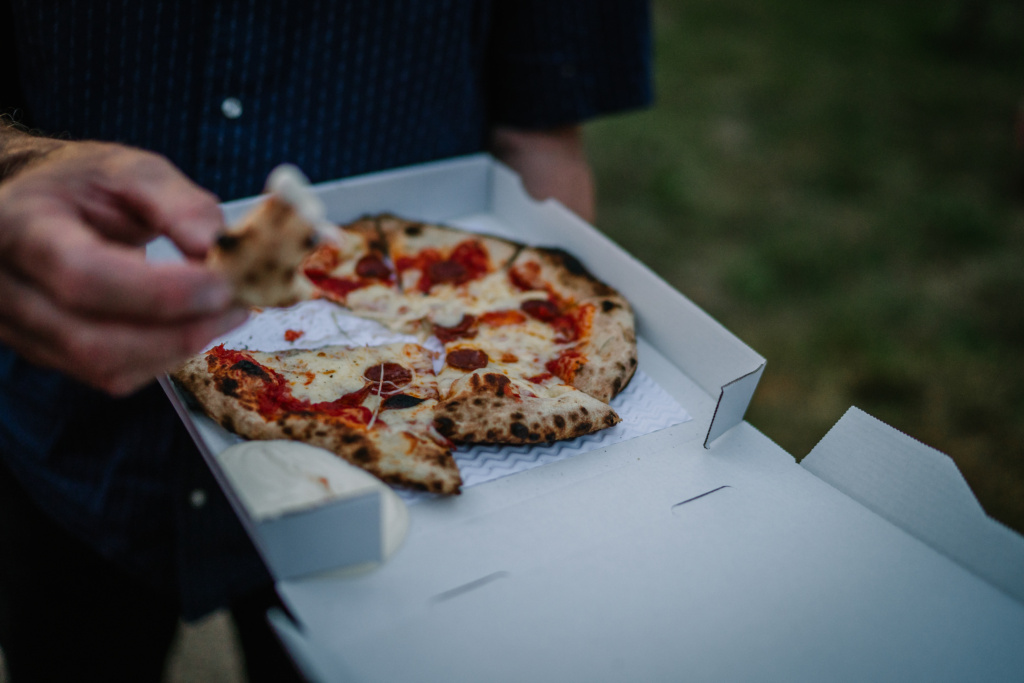
When it comes out, it goes straight onto one of our rustic chopping boards. If you’ve ordered it sliced, the pizzaiolo will cut it into 8 pieces. Then it goes to the serving area, where guests can grab a slice or a whole pizza if they’re really hungry.
What we’re doing here is creating a rhythm. We’ve got maybe five different pizza variations on the menu. We’ll cook all the variations in a cycle—a few of each one—so guests are getting choice and variety as they queue up. It’s not overwhelming. It’s not rushed. It’s steady, warm pizza coming out continuously.
This is also why we need accurate headcounts. If you said 150 guests but 200 rocked up, we’ll feel it. We’ll be cooking faster, dough might come out slightly denser, and the experience shifts. But if we know the real number, we’ve prepped the right amount of everything, and service feels effortless.
The Rush Hour: When Everyone Wants Pizza at Once
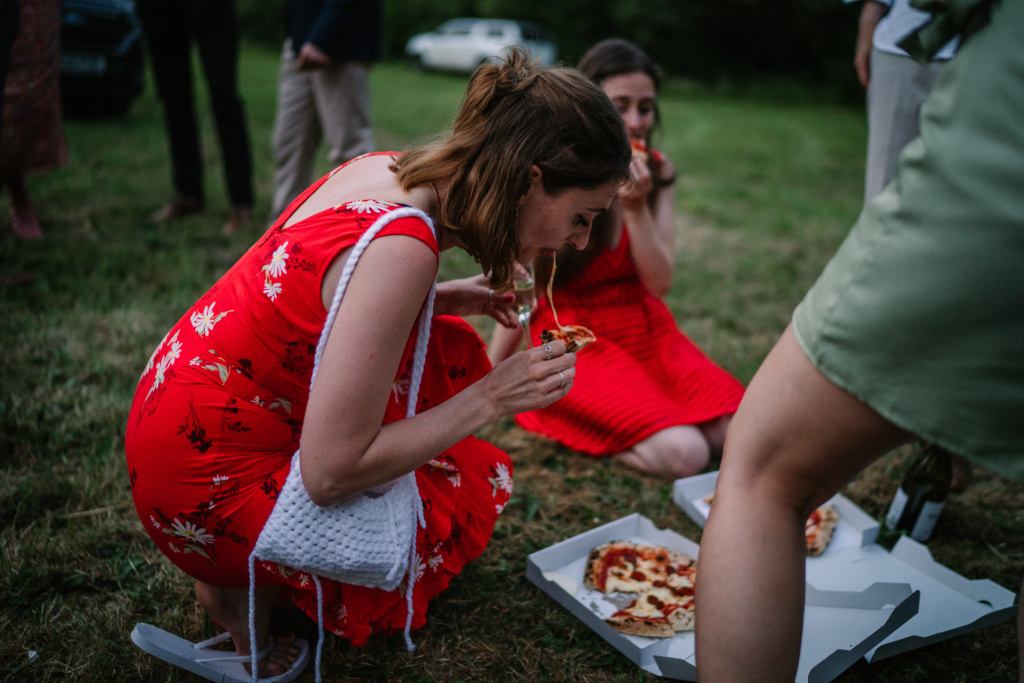
Here’s where service gets interesting.
There’s usually a moment—maybe 30 minutes into service—where everyone suddenly decides they want pizza. Kids are hungry, guests are chatting and getting peckish, someone’s spotted the setup and word spreads: “Go grab a slice!” The queue builds.
This is exactly why we come with a trained team, not just someone’s mate who can work a fire. Our pizzaiolo is now cooking flat out. One pizza every 90 seconds, maybe faster if they’ve got a good rhythm going. They’re working with precision even though there’s pressure. They’re communicating with whoever’s handing out slices. They’re checking the oven temperature (which shifts as we’re pulling hot pizzas out constantly) and adjusting the fire accordingly.
The team around them—usually at least one other person—is keeping the serving area stocked, clearing plates, chatting with guests, keeping the energy up. We’re not robots. We’re not just there to feed people and disappear. We’re part of your wedding. We’re engaging, smiling, answering questions about the toppings.
And here’s the thing we’re genuinely proud of: we don’t run out of pizza. Not on our watch. We’ve calculated the quantities carefully. We’ve got backup dough. We’ve got extra toppings. If you’re serving 150 guests, we can keep pizza coming for 2–3 hours easily. Some couples want quick service—half an hour of intensive pizza, then done. Others want us there longer, because pizza is the evening entertainment. We adapt to what you need.
What the Couple Doesn’t See: Behind-the-Scenes Brilliance
While you’re dancing, hugging relatives, or taking photos, there’s actually quite a lot happening at the pizza station that you won’t notice.
Our team is constantly cleaning as they go. That sounds odd (who thinks about hygiene when there’s celebration happening?), but it’s crucial. Between pizza rotations, we’re wiping down surfaces, checking that no rubbish is piling up, making sure the serving area looks fresh and professional. If someone’s dropped a slice, we’re cleaning it up immediately. We’re not creating a grotty food station by the end of the night.
We’re also watching the oven like hawks. Wood-fired ovens can be unpredictable. Temperature fluctuates. The fire needs managing. If it’s getting too hot, we’ll pull back slightly. If it’s cooling down, we’ll add wood. You won’t see this micro-management, but it’s what stops us from delivering burnt pizzas or underdone dough.
And we’re communicating constantly with your venue team. If the DJ suddenly bumped the music volume up and it’s now hard to hear guests ordering, we’ll let you know. If it looks like the weather’s turning and we should wrap up service earlier, we’ll chat to your coordinator. If a guest has a specific allergy concern we didn’t know about, and they want to check with us before eating, we’re there to help.
We’re also prepping for the wind-down. As the evening goes on and demand slows, our pizzaiolo will slow their pace. They’re tasting leftover dough, checking consistency. They’re thinking about what the oven temperature is and whether we’ll cook pizzas a bit longer to use up the fire more slowly. By the time the last few pizzas are going out, we’re already mentally transitioning to pack-down.
Winding Down: Last Orders and Slowing Service
Eventually, the energy shifts. Maybe it’s 11pm, or maybe it’s 9pm. Your guests have eaten. The cake’s been cut. People are dancing, chatting, or heading home.
We’ll have pre-agreed with you on a finish time. “Last orders at 10.30pm,” for example. As that time approaches, we’ll tell people: final pizzas are going in. We’ll still cook if someone asks, but we’re signalling that service is winding down.
Our pizzaiolo’s pace naturally slows. Instead of continuous rounds of eight pizzas, we might be cooking one or two at a time now. The fire in the oven is burning down slightly. We’re still maintaining quality—every single pizza that comes out is proper—but we’re no longer in full throttle.
This is also when we’ll start discreetly breaking down the serving area. We’ll clear plates and napkins that are no longer needed. We’ll stack any leftover ingredients carefully (they’ll be packed up properly, not wasted). We’re trying to stay invisible during this bit—you shouldn’t feel like we’re packing up and abandoning you. We’re just tidying as we go.
If you want to grab a couple of final pizzas for photos, or if your new Mr and Mrs want a quick slice together, we’re still here for that. We’re not clock-watchers. But we’re also prepared to move towards the final stage.
Pack-Down: Leaving Your Venue as We Found It
Once the last pizza is served and we’ve confirmed that service is genuinely done, the pack-down begins.
Our team works quickly and methodically. The serving table is packed. Plates, napkins, and serving equipment are cleared and organised. We’ve got proper containers for everything—nothing’s just chucked in the van. If there are leftover ingredients (which there rarely are, if we’ve done our job right), they’re carefully stored.
The oven itself is allowed to cool slightly (it doesn’t cool down completely until we’re back in Tonypandy), and then it’s carefully wrapped and secured in the van. This is heavy work. It’s also the moment where things can go wrong if you’re not careful—that oven could damage your venue if it’s not handled properly, or injure our team. So we’re slow, deliberate, and careful.
We’ll do a final sweep of the area where we’ve set up. Have we left any rubbish? Is there a napkin stuck in the grass? Are there any bits of dough or spilled ingredients? We want to leave your venue exactly as we found it—pristine.
The whole pack-down usually takes about 20–30 minutes, depending on how much we’ve cooked. Then our van is loaded, and we’ll have a quick word with your coordinator or someone from your family: “Brilliant event. Thank you for having us. Enjoy the rest of your night.”
The Journey Home: Reflecting on Your Day
By the time we’re driving back to Tonypandy, it’s late. Our team is tired. But here’s the thing about doing this job for a decade—we genuinely love it.
We’ll chat about how the day went. Which pizza was most popular? Were the guests happy? Did we manage to make a kid smile by adding extra cheese to their slice? These little moments stick with us.
Back at our base, there’s a final cleanup. The oven is properly cooled and maintained. Equipment is cleaned thoroughly (health and safety isn’t negotiable). Any leftover ingredients are processed or composted. Tomorrow, we’ll be planning the next wedding, the next event, the next chance to put on a brilliant catering experience.
This is the rhythm of our year. From Pontypridd to Cowbridge, from intimate family weddings to big 200-guest celebrations, we’re running this process on repeat. And each time, we’re genuinely committed to making sure your day is perfect.
What Couples Worry About (And What Actually Happens)
Let’s address the elephant in the room: what if something goes wrong?
“What if the oven doesn’t heat up properly?”
We maintain our equipment obsessively. Before every event, we’ve checked the oven, tested the thermometer, and made sure everything’s firing properly. In nearly a decade, we’ve had maybe one genuine oven issue, and we had a backup plan ready to go.
“What if we run out of pizza?”
We won’t. We’ve calculated quantities based on your headcount. We’ve got backup dough. We’ve prepped extra toppings. If anything, couples often ask us if they can take leftover ingredients home (you can, by the way).
“What if the weather’s terrible?”
We work in the rain, the cold, and occasionally the snow. We come with appropriate cover. If your venue doesn’t have shelter and the weather is genuinely dangerous, we’ll chat about it beforehand and figure out a solution together. We’ve been doing this in Wales for nearly a decade—we know how to handle British weather.
“What if our guests have dietary requirements we didn’t mention?”
Tell us immediately. We can work with it. We’ve cooked vegan pizzas using cashew cream, gluten-free bases, and we’re happy to adapt on the fly. Your venue coordinator should have this info, but if something’s slipped through, let us know and we’ll handle it.
“What if the timeline falls apart?”
It happens—ceremony runs late, photos take longer than expected. We’re flexible. We’re here for you, not the other way around. We’ll adjust when you start serving. If you want to delay by an hour, that’s fine. We’ll keep the oven ticking over. We’re not clock-watchers.
The Experience Your Guests Will Have
Here’s what your guests actually experience: they arrive at your reception, and at some point during the evening, they smell wood smoke and see a beautiful wood-fired oven. They queue up (it’s rarely chaotic, by the way—people actually enjoy the queue because they’re watching their pizza being made). They watch our pizzaiolo stretching dough and working the oven with skill and precision.
They take a hot, fresh pizza. It’s not sitting in a foil container getting cold. It’s not pre-made. It’s made in front of them, cooked in a 350+ degree oven, and still warm. The base is soft but charred. The toppings are quality.
They go back and eat it. It’s genuinely delicious. People remember it.
And they remember you for thinking of something a bit different. Pizza catering isn’t traditional. It’s not plated service. It’s fun, it’s interactive, and it works. We’ve had guests at weddings tell us it was the best meal of the reception. We’ve had families tell us they booked us for their kid’s birthday party because they loved the wedding pizza so much.
That’s what happens on the day.
Let’s Make Your Wedding Perfect
We know planning a wedding is stressful. We also know that getting the food right can take a huge weight off your shoulders. When you book us, you’re not just booking pizza. You’re booking a decade of experience, a team that’s genuinely invested in your day, and a promise that we’ll show up professional, prepared, and ready to make your guests happy.
Get in touch with us if you’re thinking about pizza catering for your wedding. We’ll chat through what we can offer, your menu options, and exactly how we’ll make the day run smoothly. We serve weddings across South Wales, from intimate barn celebrations to big events at country houses. We’ve got you covered.
If you want to know more about the philosophy behind what we do, check out why [pizza catering is a great option for your next event](https://www.welshitalianpizza.com/why-pizza-catering-is-a-great-option-for-your-next-event-or-party/)—it explains why so many couples are choosing wood-fired pizza over traditional sit-down receptions.
Your wedding day is important. Your food should be too. Let’s make it brilliant together.